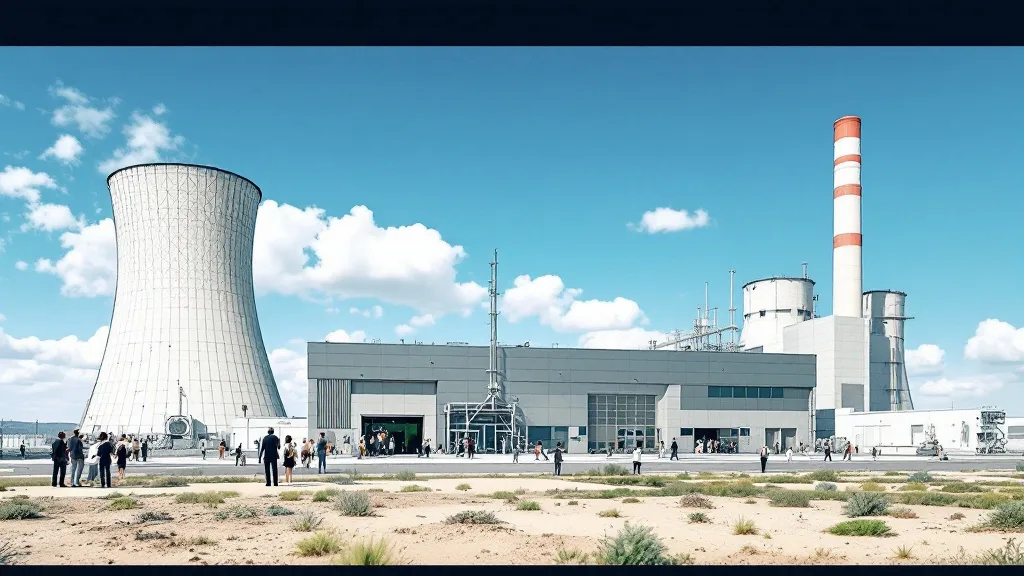
Fort Drum microreactor plan draws criticism over cost and security
A nuclear security professor has raised concerns about the cost and potential security risks of a planned 20-megawatt microreactor at Fort Drum, while Army officials say the reactor will be shielded and will not overheat.
By the ClickNNY North Country Desk
A planned 20-megawatt microreactor at Fort Drum is facing criticism from Alan Kuperman, a University of Texas at Austin professor and coordinator of the Nuclear Proliferation Prevention Project. Kuperman said the project’s potential risks and costs outweigh its benefits and questioned the use of $2.2 billion for the Janus Program investment.
Army officials said the reactor would operate alongside the electric grid, would not require external power and would shut itself off during an emergency. Jeff Waksman, the Army’s deputy assistant secretary for energy and sustainability, said the reactor would have shielding similar to tank armor. Army officials also said there is no risk of overheating.
Reported by ClickNNY and reviewed by an editor before publication.
More from ClickNNY
Guides and features from across the North Country.

ClickNNY Guide · Thousand Islands
Fishing the St. Lawrence River after summer: a fall and ice fishing guide to the Thousand Islands
When the tour boats leave, the St. Lawrence becomes a different river. Here's what's biting in the fall, how ice fishing works, exactly what to bring, how to stay safe, and where to stay, whether you're visiting for the first time or have lived here all your life.
ClickNNY Guide · Fort Drum
Your first North Country winter: a survival guide for Fort Drum soldiers from the South
Never driven on snow, owned a snow blower or felt a February morning at Fort Drum? Here's what to wear, what to keep in your car and how to get through your first lake-effect winter.
ClickNNY Guide · Winter
Are we ready for another North Country winter?
From heating bills and snow tires to lake-effect storms and the first big snowfall, Northern New York is getting ready for another winter. But how prepared are we really?