
Watertown native works to advance understanding of tick-borne diseases
Stephen M. Rich, a Watertown native and Massachusetts-based microbiologist, leads organizations focused on ticks and diseases they can carry, while local health data tracks several tick-related illnesses.
By the ClickNNY North Country Desk
Stephen M. Rich, a Watertown native, is the executive director of the New England Center of Excellence in Vector-Borne Diseases and director of TickReport.com. He is also a professor of microbiology and director of the Laboratory of Medical Zoology at the University of Massachusetts Amherst.
Tick-related illnesses recorded by the Jefferson County Public Health Service in recent years include cases diagnosed through blood tests. Lyme disease can also be identified by its characteristic bull’s-eye rash, meaning some cases may not appear in those records. Alpha-gal syndrome is associated with the Lone Star tick, which is not established in Northern New York but has been spreading in other parts of the state.
Reported by ClickNNY and reviewed by an editor before publication.
More from ClickNNY
Guides and features from across the North Country.

ClickNNY Guide · Thousand Islands
Fishing the St. Lawrence River after summer: a fall and ice fishing guide to the Thousand Islands
When the tour boats leave, the St. Lawrence becomes a different river. Here's what's biting in the fall, how ice fishing works, exactly what to bring, how to stay safe, and where to stay, whether you're visiting for the first time or have lived here all your life.
ClickNNY Guide · Fort Drum
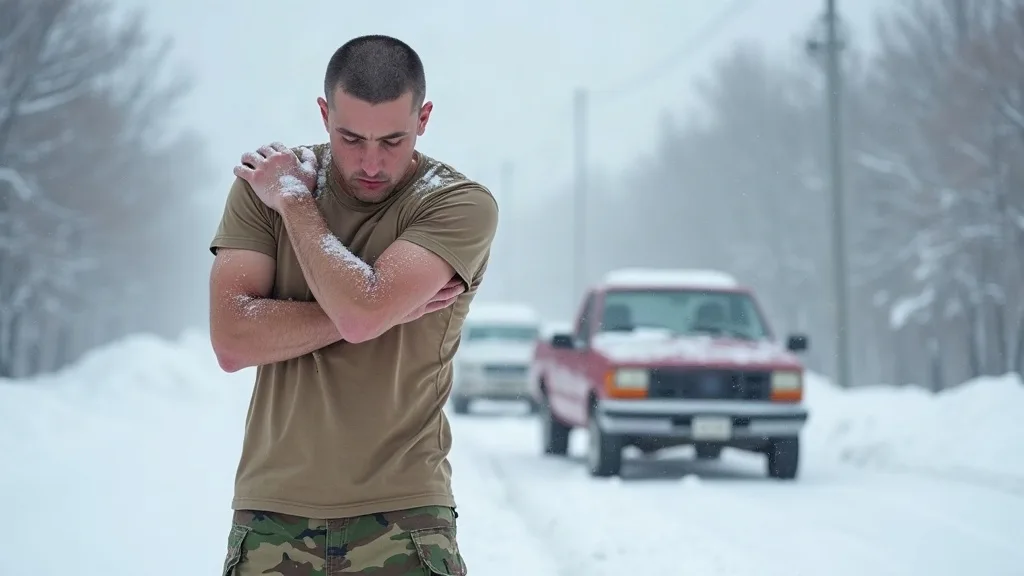
Your first North Country winter: a survival guide for Fort Drum soldiers from the South
Never driven on snow, owned a snow blower or felt a February morning at Fort Drum? Here's what to wear, what to keep in your car and how to get through your first lake-effect winter.
ClickNNY Guide · Winter
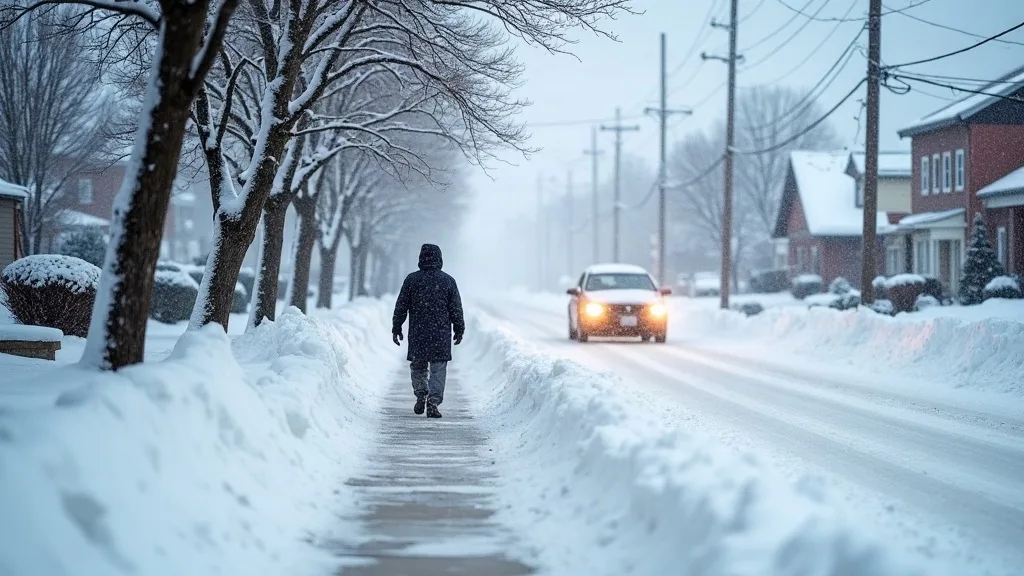
Are we ready for another North Country winter?
From heating bills and snow tires to lake-effect storms and the first big snowfall, Northern New York is getting ready for another winter. But how prepared are we really?